Unveiling the Hidden Impact of Anal Incontinence
Affecting 2% to 3% of the population, anal incontinence is a surprisingly common condition that significantly impacts quality of life. It is the second leading cause of nursing home admissions and frequently affects women following childbirth, yet specialized treatment can help patients regain control and independence.
What is Anal Incontinence?
Anal incontinence, often referred to as fecal incontinence, is the inability to control bowel movements, leading to the unexpected leakage of stool or gas. This condition ranges in severity from occasional minor leaking while passing gas to a complete loss of bowel control. It occurs when the muscles or nerves at the end of the digestive tract are damaged or weakened, preventing the rectum from effectively holding waste until you can reach a restroom.
While it is a deeply personal and often distressing condition, it is a medical issue that is far more common than many realize. This condition can stem from various factors, including muscle trauma, nerve damage, or complications from previous medical issues. Understanding that this is a physical condition rather than an inevitable part of aging is the first step toward seeking effective treatment and regaining your confidence.
Anal Incontinence in Women
Childbearing and motherhood present distinct challenges to all mothers and their bodies. Sphincter defects occurred in 35 percent of mothers who delivered their babies vaginally, according to one study. This can cause difficulties controlling stool or gas, but in the majority of cases where a sphincter defect existed, there were actually no immediate symptoms.
For this reason, it is essential that women and their gynecologists discuss the various aspects of delivery, what to expect and options for protecting and healing their bodies during and after childbirth. OB/GYNs are in an unique position to educate their patients about symptoms and best practices in the care of the pelvic organs.
While we do not advocate Caesarean sections, which should be considered with your OB/GYN based on your medical history and the health of your baby, Caesarean sections performed prior to labor do protect the sphincter of the mother and prevent fecal incontinence. Caesareans during labor protect the sphincter but do not always prevent fecal incontinence, which indicates that nerve damage can occur during birth and may affect the ability to control waste functions.

Non- Surgical Treatment Options
The initial approach to managing anal incontinence typically focuses on non-invasive strategies tailored to a patient's specific symptoms and lifestyle. Dr. Murrell often recommends dietary adjustments to improve stool consistency, alongside medications that can regulate bowel frequency and urgency. These conservative methods aim to provide the rectum with better control by stabilizing the digestive process and reducing sudden episodes of leakage.
Beyond lifestyle changes, pelvic floor rehabilitation and biofeedback therapy serve as effective ways to restore muscle coordination. By strengthening the anal sphincter and increasing awareness of rectal sensations, many patients can regain significant control without the need for an operation.
Anal Incontinence Surgery
For patients who do not find adequate relief through conservative measures, several surgical procedures are available to repair or enhance the bowel control mechanism. Sphincteroplasty is a common restorative surgery used to reconnect and strengthen torn or damaged anal muscles, frequently addressing injuries sustained during childbirth.
Other advanced techniques include the use of injectable bulking agents to improve the seal of the anal canal or procedures to correct structural issues like a rectocele that may be hindering proper function. Dr. Murrell assesses each patient’s unique anatomy to determine which surgical intervention will best restore their independence and quality of life.
Insurance
Dr. Murrell is in a network with Medicare and Tricare Select. He is a non-contracted provider with all PPO plans. Please call to confirm your specific insurance plan, as coverage and benefits may vary. As a top doctor for fecal Incontinence in Los Angeles, Dr. Murrell and his team are happy to assist with any insurance-related questions and help you navigate your coverage options.
Why Choose Dr. Murrell for Anal Incontinence in Los Angeles?
Dr. Murrell is a world-renowned colorectal surgeon serving Beverly Hills, West Hollywood, Los Alamitos, Long Beach, and the surrounding Los Angeles area. He is known for helping patients struggling with bowel issues by utilizing his extensive expertise in advanced colorectal care. Board-certified and recognized as a "Top Doctor" by Los Angeles Magazine for several consecutive years, Dr. Murrell is widely respected by both his peers and his patients for his surgical excellence and compassionate approach.
Dr. Murrell is known for his patient-centered approach, taking the time to explain various treatment options and ensuring every individual feels empowered throughout their care. As a nationally recognized expert who trains colleagues and students at the prestigious Cedars-Sinai, he remains at the forefront of the latest medical advancements. Do not let discomfort dictate your life—contact us today for a consultation and discover why so many trust Dr. Murrell for expert care for fecal incontinence in Los Angeles.
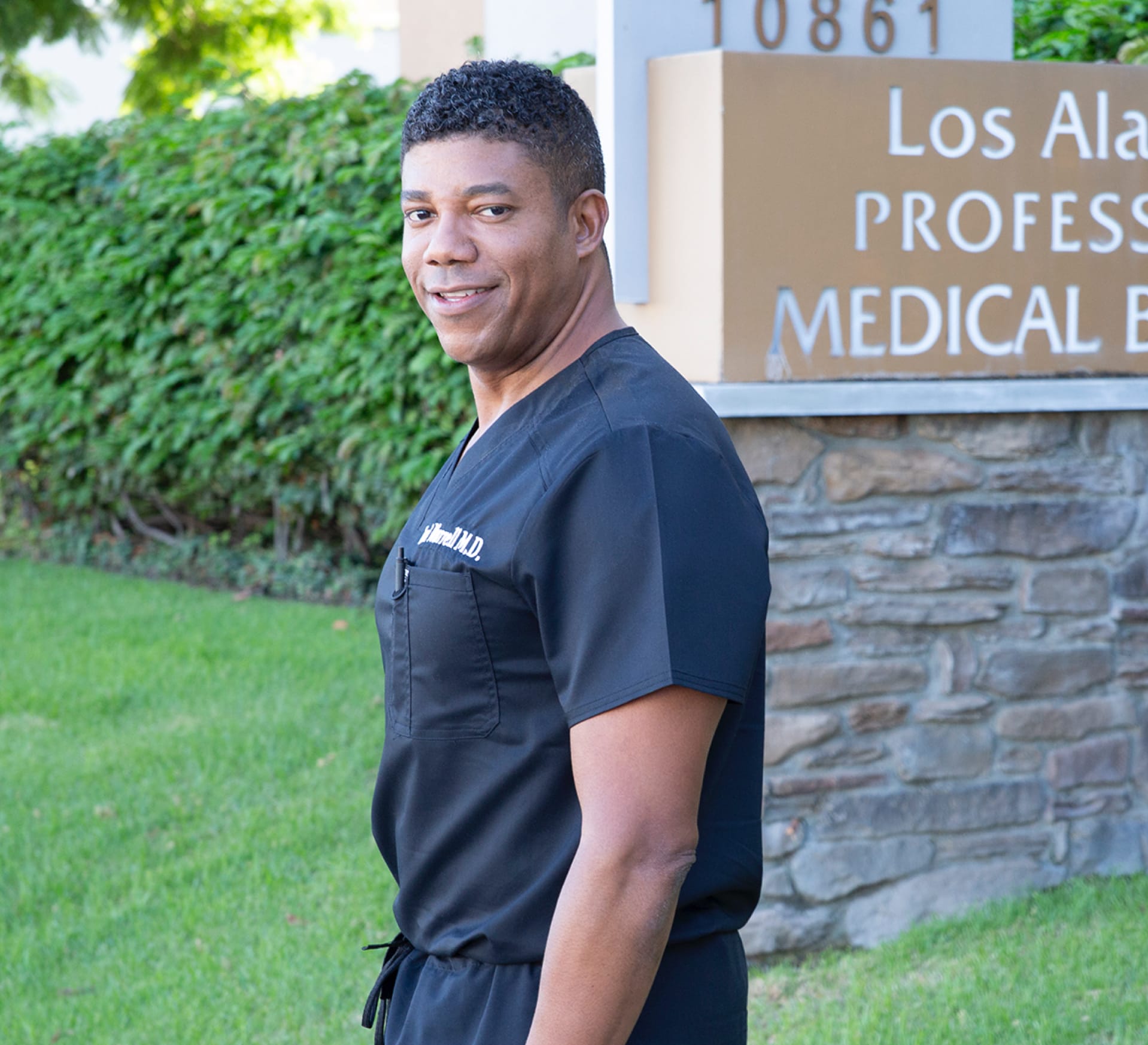
Dr. Zuri Murrell Credentials
- Named to Southern California Super Doctors® 2015-2017
- Director of the Colorectal Cancer Program at Cedars-Sinai
- Double board-certified and one of the surgeons in the west coast specifically trained in minimally invasive colorectal surgery
- Magna Cum Laude graduate of Morehouse College
- Medical Degree at the University of California, Los Angeles
- Top Doctor for Colon and Rectal Surgeries in 2015-2018
- Member of the American Board of Colon and Rectal Surgery
- Member of the American Board of Surgery
- Member of the American Medical Association
- Fellowship in Colorectal Surgery From Cedars-Sinai Medical Center in 2008
- Fellowship in Laparoscopic Colorectal Surgery from the University of California, Irvine in 2007