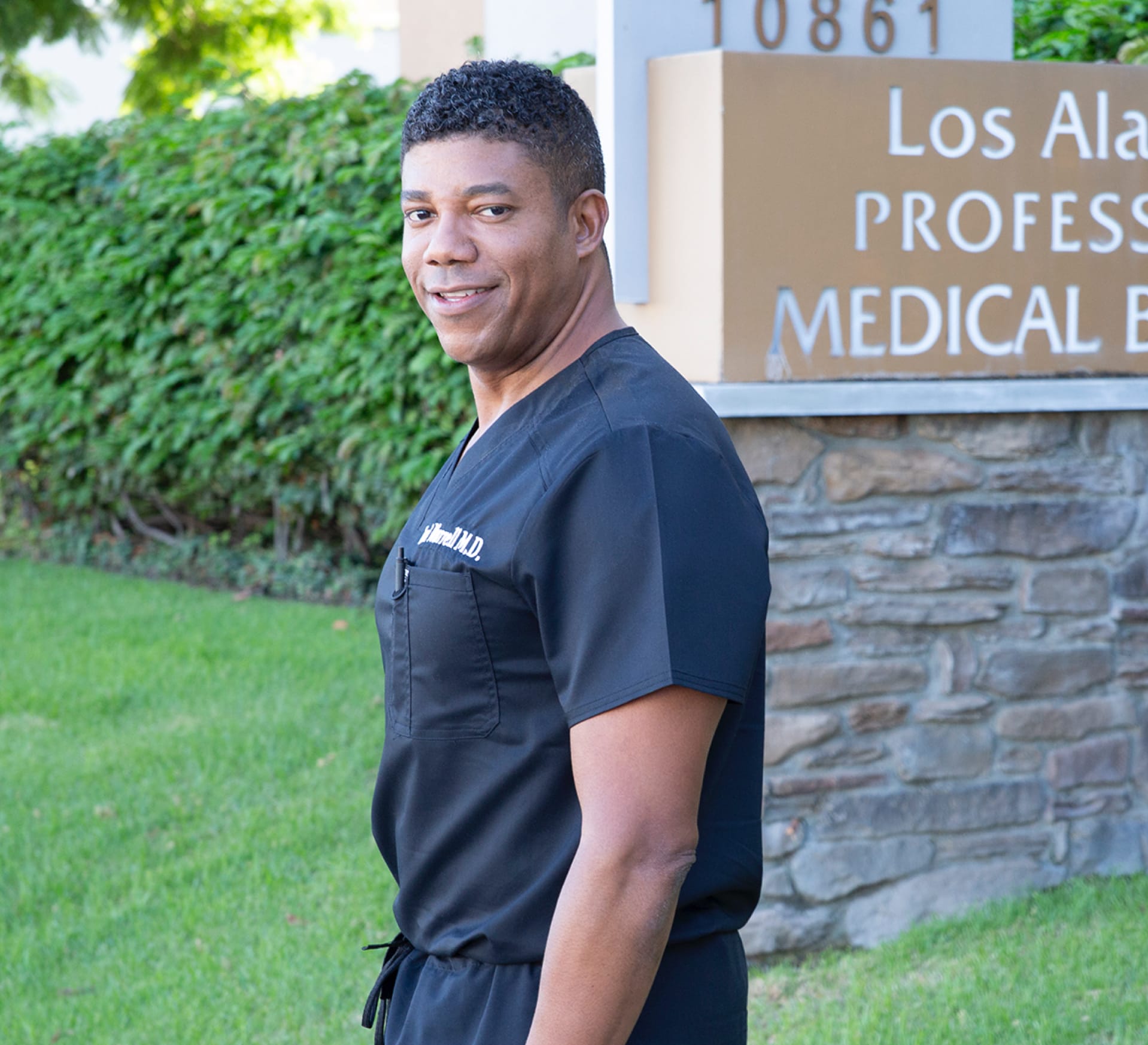
Dr. Murrell will knock your socks off with his charm, excellent bedside manner, efficiency, professionalism and best in class surgery. He is a colorectal surgeon and treats patients with colorectal cancer and IBD (irritable bowl disease). His staff are also best in class. I was extremely happy with him and you will be extremely happy too.
Can IBD go into remission?
Yes, while IBD is a chronic condition, many patients can experience long periods of remission with the right treatment. Early diagnosis, effective medication, and lifestyle changes can significantly improve symptoms and lead to remission, allowing patients to live a more comfortable life.
What are the common symptoms of IBD?
The most common symptoms of IBD include abdominal pain, diarrhea, bloody stools, weight loss, fatigue, and cramping. These symptoms can vary in severity and may come and go in flare-ups, depending on the extent of the disease.
Is surgery necessary for IBD?
Surgery is typically considered when other treatments do not effectively control symptoms or when complications like bowel obstructions or fistulas occur. In some cases, surgical removal of damaged portions of the digestive tract can provide significant relief and improve overall health.
How can I manage my IBD symptoms on a daily basis?
Managing IBD often involves making lifestyle changes, including dietary adjustments, stress management techniques, and regular follow-ups with your healthcare provider. Staying on top of prescribed medications and avoiding triggers that cause flare-ups, such as certain foods or stress, can also help maintain control over symptoms.
Will I need to change my diet if I have IBD?
Many people with IBD benefit from dietary changes that reduce irritation in the digestive tract. While there is no one-size-fits-all diet, working with a healthcare provider or dietitian can help identify foods that may worsen symptoms and provide guidance on a diet that promotes gut health and reduces inflammation.